
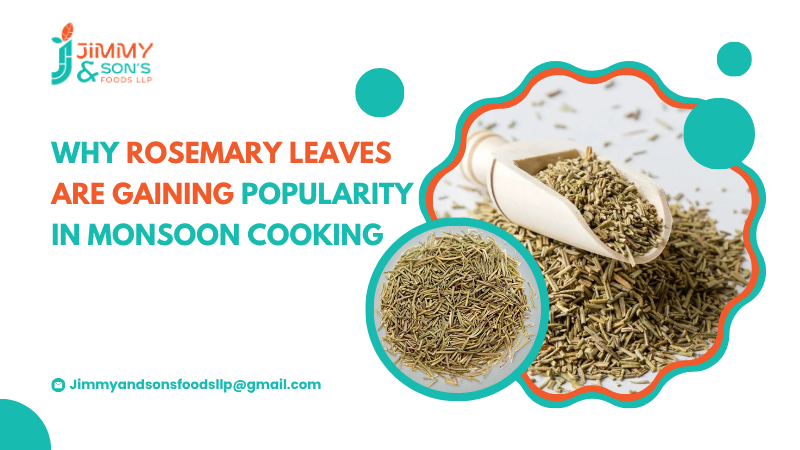
The arrival of the monsoon season brings a welcome change in weather, but it also influences the way people cook and enjoy their meals. During rainy days, warm soups, roasted vegetables, comforting pasta dishes, and flavorful curries often become household favorites. As home cooks and professional chefs look for ingredients that can elevate the taste of these dishes, rosemary leaves are gaining significant attention.
Traditionally associated with Mediterranean cuisine, rosemary has found a growing place in modern Indian kitchens. Its distinctive aroma, versatility, and compatibility with a wide range of recipes have made it one of the preferred herbs for seasonal cooking. Today, the increasing use of rosemary leaves in monsoon cooking reflects a broader trend toward experimenting with global flavors while creating comforting meals during the rainy season.
Why Food Preferences Change During Monsoon
Monsoon weather naturally encourages people to choose foods that are warm, aromatic, and satisfying. The cool breeze and frequent rainfall often inspire cooking styles that focus on comfort and flavor.
Popular Monsoon Food Choices
- Warm soups and broths
- Roasted vegetables
- One-pot rice dishes
- Baked recipes
- Herbal teas and infused beverages
- Slow-cooked curries
To enhance these dishes, many cooks rely on herbs and spices that contribute rich aromas and balanced flavors.
The Growing Demand for Rosemary in Modern Kitchens
Rosemary is known for its distinctive fragrance and earthy flavor profile. While it has long been a staple in international cuisines, it is now increasingly being used in Indian households and food businesses.
Why Rosemary Is Becoming More Popular
(1) Unique Aroma
Rosemary adds a pleasant herbal fragrance that enhances both simple and elaborate recipes.
(2) Versatile Culinary Applications
It can be used in soups, roasted dishes, breads, sauces, marinades, and vegetable preparations.
(3) Complements Seasonal Cooking
Its robust flavor works exceptionally well with dishes commonly prepared during the rainy season.
These qualities have contributed to the growing popularity of rosemary leaves in monsoon cooking among home cooks and culinary professionals.
Best Herbs for Rainy Season Cooking
The rainy season encourages experimentation with flavorful ingredients that can transform ordinary meals into memorable dining experiences. As a result, many consumers search for the best herbs for rainy season cooking to add variety to their recipes.
Popular Herbs Used During Monsoon
(1) Rosemary
Known for its bold aroma and versatility.
(2) Basil
Widely used in soups, sauces, and pasta dishes.
(3) Oregano
Adds depth to baked and roasted recipes.
(4) Thyme
Pairs well with vegetables and slow-cooked meals.
(5) Parsley
Often used as a garnish and flavor enhancer.
Among these herbs, rosemary stands out because it performs well in both traditional and contemporary recipes, making it one of the best herbs for rainy season cooking.
Aromatic Herbs for Monsoon Recipes
One of the biggest culinary trends during monsoon is the use of ingredients that add warmth and aroma to meals. This is where aromatic herbs for monsoon recipes play an important role.
Why Aroma Matters in Seasonal Cooking
(1) Enhances Dining Experience
Aromatic ingredients create a more enjoyable and comforting meal.
(2) Complements Warm Foods
Herbs work particularly well in soups, stews, and roasted dishes.
(3) Adds Depth Without Overpowering Flavor
Rosemary delivers a balanced taste that supports other ingredients rather than dominating them.
Popular Monsoon Recipes Using Aromatic Herbs
- Vegetable soups
- Roasted potatoes
- Garlic breads
- Pasta sauces
- Baked vegetables
- Rice dishes
Because of these applications, rosemary is frequently included among the most preferred aromatic herbs for monsoon recipes.
Dried Rosemary Leaves for Cooking
Many consumers prefer using dried rosemary leaves for cooking because they are easy to store, convenient to use, and retain their characteristic aroma for extended periods.
Benefits of Using Dried Rosemary
(1) Longer Shelf Life
Dried herbs remain usable for a longer duration when stored properly.
(2) Consistent Flavor
They provide a reliable flavor profile across multiple recipes.
(3) Easy Storage
Can be kept in airtight containers without requiring refrigeration.
(4) Suitable for Commercial Use
Food manufacturers and restaurants often prefer dried herbs for consistency and convenience.
Common Uses of Dried Rosemary Leaves
- Soups and broths
- Roasted vegetables
- Marinades
- Bread recipes
- Herb seasoning blends
- Pasta dishes
The increasing use of dried rosemary leaves for cooking has helped expand rosemary’s popularity across both household and commercial kitchens.
How Rosemary Enhances Monsoon Comfort Foods
Comfort foods are a major part of rainy-season dining. Rosemary contributes flavor and aroma that pair naturally with these meals.
Monsoon Dishes That Pair Well with Rosemary
(1) Roasted Vegetables
Adds a rich herbal flavor to baked vegetables.
(2) Soups and Stews
Provides aromatic depth during slow cooking.
(3) Rice Preparations
Can be used in fusion-style rice dishes.
(4) Baked Snacks
Enhances breads, crackers, and savory pastries.
(5) Pasta and Sauces
Complements creamy and tomato-based sauces.
These culinary applications explain why rosemary leaves in monsoon cooking continue to gain popularity among food enthusiasts.
Growing Demand for Premium Rosemary Leaves
As consumers become more interested in global cuisines and premium ingredients, the demand for quality herbs continues to increase.
Industries Using Rosemary Leaves
- Food processing companies
- Restaurants and cafes
- Bakery manufacturers
- Seasoning blend producers
- Export businesses
Businesses seeking consistent quality often source herbs from trusted suppliers such as Organic & IPM Spices Suppliers & Exporters in India.
Conclusion
The rising popularity of rosemary leaves in monsoon cooking reflects changing food preferences and growing interest in aromatic culinary ingredients. Its versatility, distinctive fragrance, and compatibility with a variety of comfort foods make it a valuable addition to rainy-season recipes.
As more consumers search for the best herbs for rainy season cooking, rosemary continues to stand out among the most preferred choices. Its role in enhancing flavor, contributing to aromatic herbs for monsoon recipes, and providing the convenience of dried rosemary leaves for cooking ensures that this herb will remain a favorite ingredient in modern kitchens.
Whether used by home cooks, restaurants, or food manufacturers, rosemary continues to bring aroma, creativity, and flavor to monsoon-inspired meals.