
If you buy in bulk, watermelon seeds can look simple. They are small, dry and easy to pack. But a lot can go wrong between the farm and your factory or shop. A lot with the wrong size, too much moisture or poor storage can lose its crunch, pick up a stale smell or even develop mould.
This guide explains how watermelon seeds are graded, what to check before you buy, and how to store them so they last. It is written for wholesalers, food brands and bulk buyers who work with a watermelon seeds supplier in India and want fewer surprises.
Watermelon seeds are called magaj beej or tarbooz ke beej in many Indian markets. Businesses buy them for a few main reasons:
Each use needs a slightly different quality. A snack brand cares about size and crunch. A mithai maker cares about colour and cleanliness. That is why grading matters.
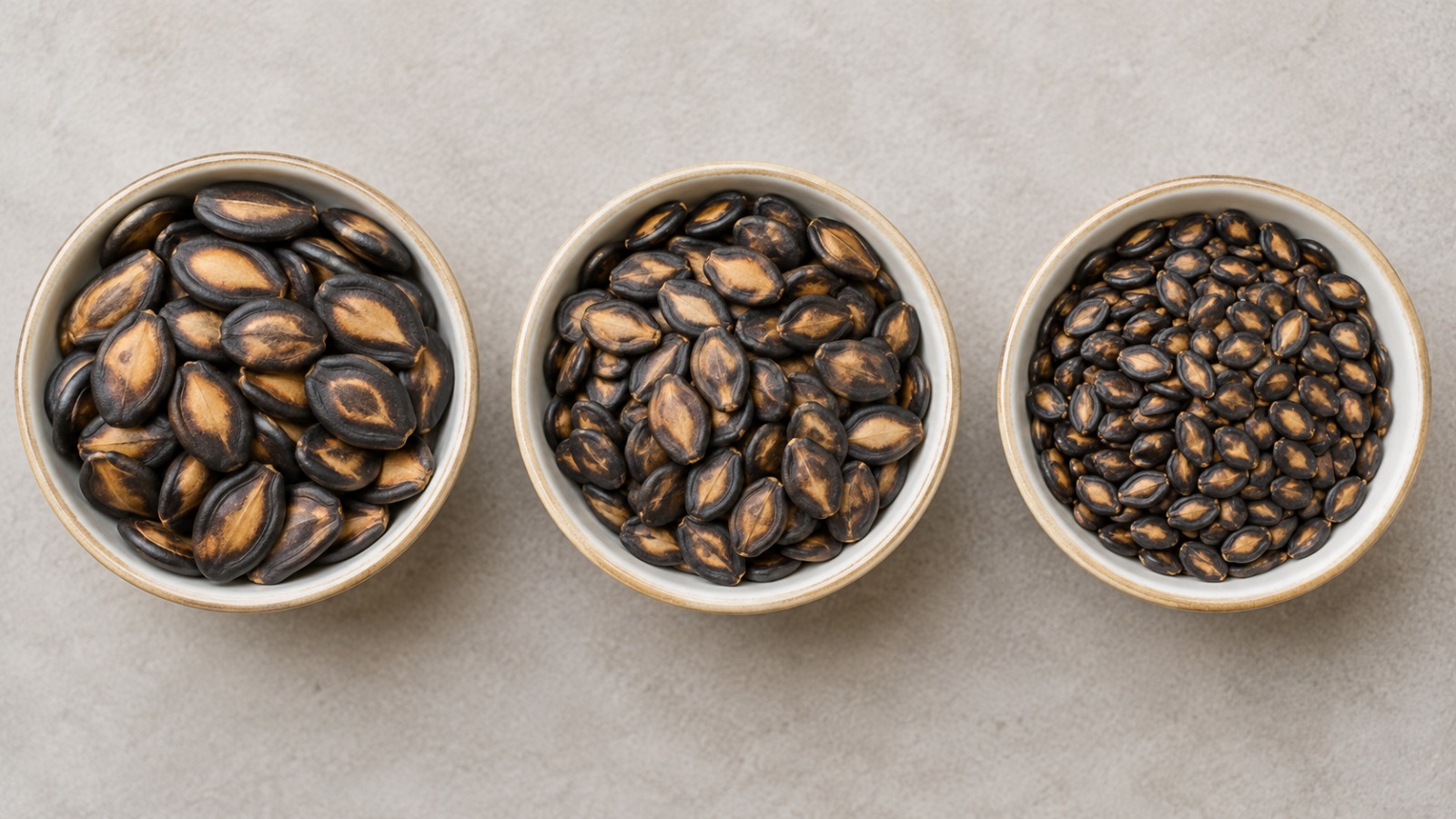
There is no single national grade chart that every trader follows. Grading usually depends on the supplier’s own sorting process and the buyer’s requirement. Still, most trade grading looks at these points:
| Grade | What It Usually Means | Best For |
|---|---|---|
| Jumbo / Bold | Larger, fuller seeds | Premium roasted snacks, gift packs |
| Medium | Mid-size seeds, steady supply | Everyday snack packs, bakery mixes |
| Mini / Small | Smaller seeds, usually lower priced | Seed blends, oil use, cost-sensitive products |
The names are not fixed across the trade. One supplier’s “medium” may be another’s “bold”. Always ask for a sample and a written size description instead of relying on the grade name alone.
Before talking about grades, make sure you and your supplier mean the same product. Watermelon seeds are sold in a few forms:
Prices, storage needs and shelf life differ for each form. Shelled kernels, for example, are more exposed to air and need more careful packing. Say clearly in your enquiry which form you need, along with the size grade and the quantity.
Good grading only helps if you check it. When a sample or shipment arrives, look at these things.
| Check | What to Look For | Why It Matters |
|---|---|---|
| Moisture | Low and consistent. Ask for the supplier’s stated limit | High moisture leads to mould and short shelf life |
| Smell | Clean, mild and nutty | A sour, musty or oily smell suggests old or damp stock |
| Colour | Even within the lot | Mixed colours may mean mixed batches |
| Foreign matter | Little or no husk, dust or stones | Affects food safety and processing |
| Broken seeds | Low percentage | Broken seeds go rancid faster |
| Insect signs | None | Webbing, holes or fine powder are warning signs |
If you need exact numbers, ask your supplier for the specification sheet and a recent lab report. Buyers often ask for moisture, purity and foreign matter limits in writing. You can read about how we approach testing on our quality page. The same checks apply to other seeds too, as we explain in our guide on organic chia seed quality standards.
Watermelon is mainly a summer fruit in India. Watermelon seeds are collected when the fruit is processed in large volumes, which is usually in the warmer months, though exact timing varies by region and crop year.
This has three practical effects on buyers:
If your business runs all year, talk to your supplier early about planning. A good supplier can tell you when new stock is expected and how long the current stock has been stored.
Watermelon seeds are naturally rich in oil. That is good for nutrition, but it also means they can turn rancid if they are handled badly. With dry seeds, clean packing and cool storage, many buyers expect roughly six to twelve months of usable life. Shelled kernels and roasted seeds are usually more sensitive, so ask your supplier for the shelf life of the exact product you are buying.
| Factor | Effect |
|---|---|
| High moisture at packing | Mould and musty smell |
| Heat | Oils go rancid faster |
| Direct sunlight | Colour fades and flavour drops |
| Humidity | Seeds soften and lose crunch |
| Open or torn bags | Pests and moisture enter |
| Mixing old and new stock | Spoilage spreads through the lot |
Storage does not need to be complicated. These habits protect your stock.
Roasted seeds need extra care because they lose crunch quickly when exposed to air. Airtight packing is important for them.
Packing protects quality during transport as much as in storage. Common bulk options include 25 kg and 50 kg bags, with custom retail packs available from some suppliers. When you ask for a quote, confirm these points:
Clear labelling also helps if you ever need to trace a problem back to a specific lot. If you want to see how cleaning and packing are handled, take a look at our infrastructure page.