Finding reliable Senna Leaves exporters in India is important when you need clean, consistent botanical material for herbal, nutraceutical, wellness, or traditional herbal products. Buyers usually want more than a product name and a price-they need dependable quality, suitable packing, regular bulk availability, and clear communication.
India has an established market for medicinal herbs, and Senna Leaves are sourced and prepared for both domestic and international buyers. Whether you are looking for a Senna Leaves Supplier in India for regular manufacturing requirements or an exporter for international shipments, checking the product specification before placing an order can save time and avoid quality issues.
In this guide, we look at Senna Leaves in simple terms, including Indian names, common uses, approximate pricing, quality factors, organic sourcing, export preparation, and practical questions buyers should ask before purchasing.
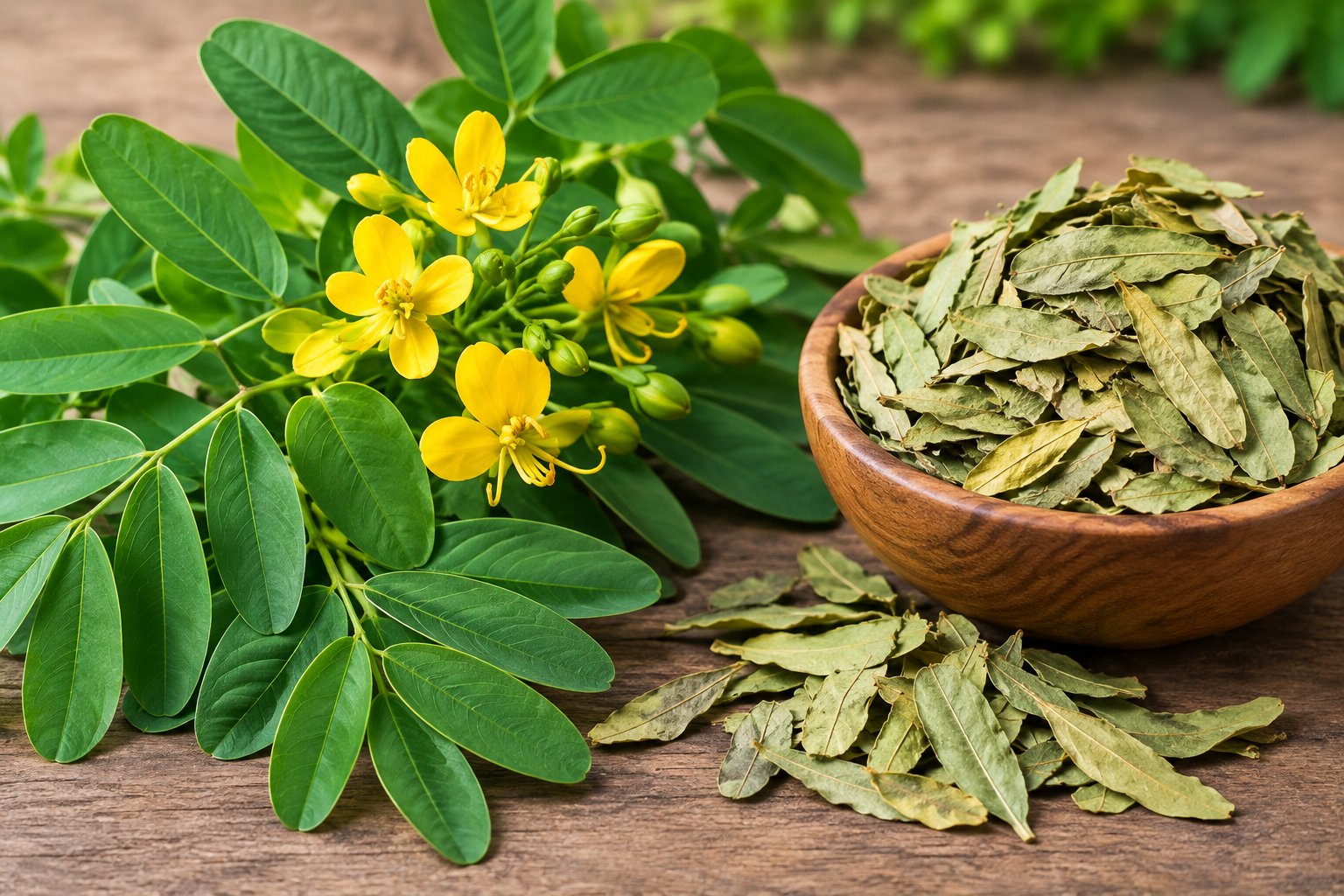
Senna is a medicinal plant traditionally associated with the botanical name Cassia angustifolia Vahl, now treated by Kew as a synonym of Senna alexandrina var. alexandrina. The dried leaflets are the commercially important part for many herbal and pharmaceutical applications. Senna contains sennosides, naturally occurring compounds responsible for its stimulant-laxative activity.
For commercial buyers, the botanical identity matters because “senna” can refer to related species and trade names. A purchase specification should identify the botanical name, plant part, form, grade, and required testing rather than relying on the common name alone.
In India, Senna Leaves are commonly known by names such as Sonamukhi, Sona Patta, Sana or Sanay, and Svarnapatri. Indian medicinal-plant references also record regional names, so buyers should use the botanical name alongside the local trade name when communicating specifications.
| Buyer reference | Common information |
| Common name | Senna Leaves / Indian Senna |
| Botanical reference | Senna alexandrina var. alexandrina |
| Older trade name | Cassia angustifolia |
| Indian names | Sonamukhi, Sona Patta, Sana/Sanay, Svarnapatri |
| Main plant part traded | Dried leaves/leaflets |
Indian suppliers offer Senna Leaves in different grades and forms, so overseas buyers can choose according to their application, quantity, packing and documentation needs. Before approving a shipment, ask about:
The preferred Senna specification depends on the buyer’s final product.
| Buyer segment | Typical sourcing focus |
| Herbal tea manufacturers | Clean leaf, suitable cut, consistent aroma and appearance |
| Nutraceutical brands | Defined specifications, testing and traceability |
| Botanical extract processors | Raw-material consistency and active-compound requirements |
| Ayurvedic/herbal manufacturers | Botanical identity, cleanliness and traditional raw-material standards |
| Distributors/importers | Bulk availability, packaging, documentation and repeat supply |
| Private-label businesses | Consistent quality plus customised packing and labelling |
Choosing a Senna Leaves Exporter in India should start with the product specification, not simply the lowest price. A dependable Senna Leaves Supplier in India should clearly explain the grade, packing, testing and supply process.
Ask for the botanical name and the exact product form. Whole dried leaves, cut leaves, tea-bag cut and powder can have different commercial uses. If your formulation depends on sennoside content, specify the required test method and acceptance range in the purchase order.
A professional export enquiry should cover documents such as a Certificate of Analysis, commercial invoice, packing list, certificate of origin and phytosanitary documentation where applicable. Additional pesticide, microbiological or other laboratory reports may be needed depending on the destination and end use.
“Organic” should not be treated as a marketing adjective. If you need certified organic material, confirm the applicable certification, certification scope and transaction documentation before shipment. APEDA’s NPOP data shows that medicinal plant products are a significant category within India’s organic exports, but certification is product- and supply-chain-specific.
Export packing should protect dried leaves from moisture, contamination and physical damage. Commercial buyers may request PP bags, jute bags, paper bags with liners, bales or another buyer-approved format. The correct choice depends on the product specification, destination, handling method and shelf-life requirements.
As an approximate Indian market reference, ordinary dried Senna Leaves may be listed around ₹45-₹70 per kg. Special grades or processed material can cost more. This is only an indicative range; bulk export pricing changes with grade, quality, certification, packing, quantity, freight and destination.
For a serious enquiry, request a fresh quotation based on your exact specification and quantity rather than treating an online listing as the final price.
| Price factor | Why it changes the quote |
| Grade and cleanliness | Higher sorting and specification requirements add processing cost |
| Sennoside requirement | Testing and defined active-compound levels can affect pricing |
| Organic certification | Certified supply involves controlled sourcing and documentation |
| Quantity | Larger commercial orders can change the unit economics |
| Packaging | Custom or export-specific packing affects total cost |
| Incoterm and destination | Freight, insurance and handling change the delivered price |
Senna alexandrina has a native range extending from the Sahara and Sahel to the Indian Subcontinent. India is an important cultivation and trading country for senna, and the plant has a long history of use in Indian herbal traditions.
There is no single official “top 10 herbs” ranking that applies to every year because export statistics depend on product definitions and whether the data covers raw herbs, extracts or wider medicinal-plant products. APEDA’s medicinal-plant export data highlights products such as psyllium, ashwagandha, tulsi, moringa, chicory, chia, triphala and amla among major products in this category.
For buyers researching Indian botanical suppliers, useful products to compare include:
This is a sourcing overview, not an official ranking.
Organic sourcing is increasingly relevant for brands that sell clean-label herbal products or operate under certified-organic programmes. Buyers searching for Organic Senna Leaves Suppliers in India should focus on certification, traceability and lot-level documentation rather than relying only on the word “organic” in a listing.
Likewise, Organic Senna Leaves Exporters in India should understand that an organic claim may need to satisfy the requirements of the destination market and the buyer’s certification system.
A typical flow is:
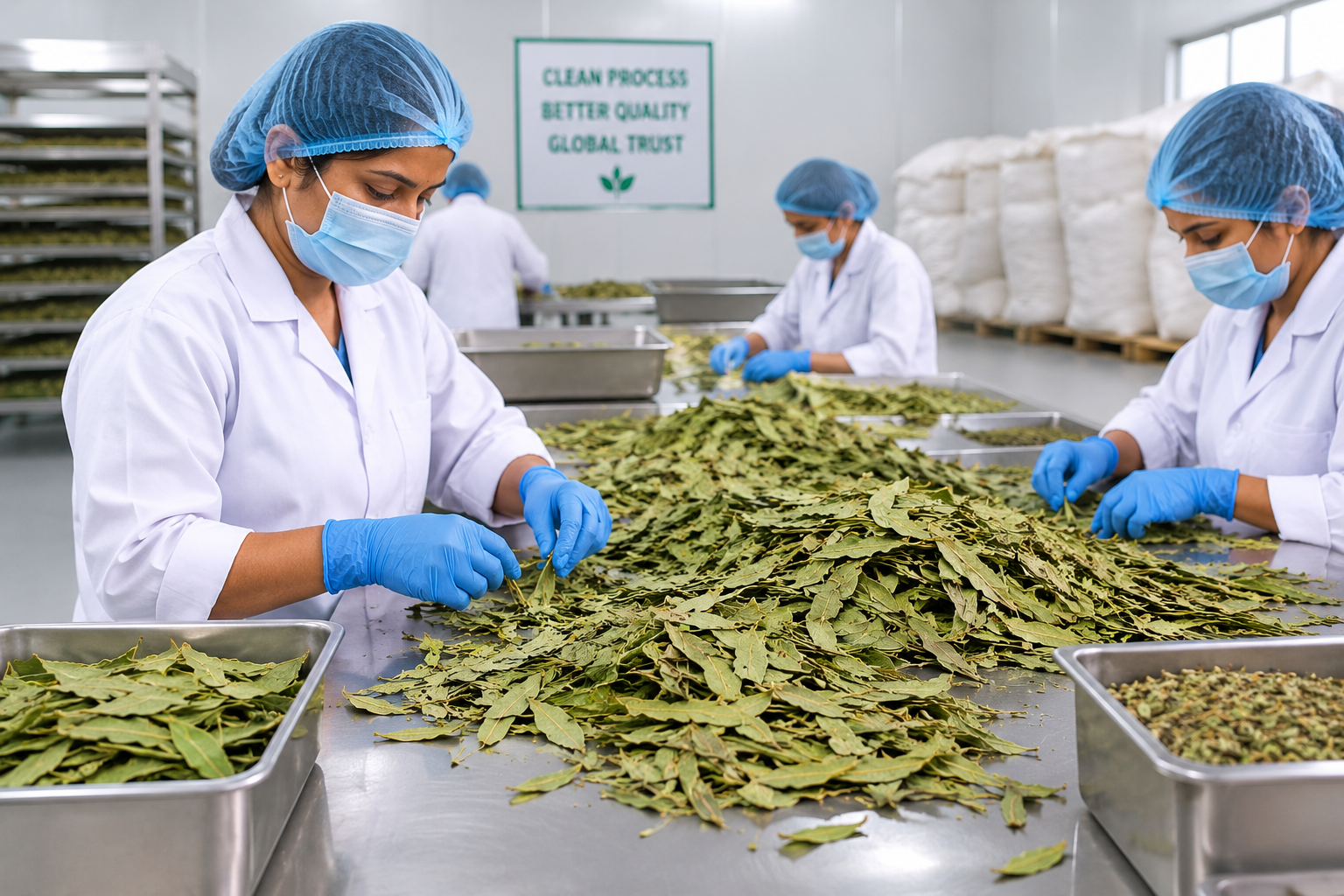
Sourcing → Harvesting → Drying → Cleaning → Sorting → Testing → Packing → Documentation → Shipment
The aim is to keep the dried material clean, protected from excess moisture and consistent from batch to batch. Buyers can ask how cleaning, sorting and moisture control are handled and whether batch-level testing is available.
If you are building a wider botanical ingredient portfolio, you can also compare Senna with other Indian herbs used by nutraceutical and wellness businesses. Explore Psyllium Husk (Isabgol) Suppliers, Exporters in India for a complementary botanical ingredient.
You can also review Senna Leaves Suppliers & Exporters India for product-specific sourcing information and bulk supply.
Planning to source Senna Leaves from India? Share your required grade, quantity, preferred packing, destination and certification requirements with Jimmy & Sons. A clear product enquiry helps the supplier understand your needs and provide a more relevant bulk quotation.
Contact Jimmy & Sons for Senna Leaves sourcing, bulk supply and export support for your international requirements.